The Best Retirement Savings Plans for Digital-First Lifestyles
Jul 21, 2026



Saving for retirement can become especially complex when your income comes from more than one country. You must navigate a range of pension plans, tax laws that vary from place to place, and fluctuating currency values. With these challenges in mind, this guide offers straightforward advice and practical examples to help you create a dependable retirement fund. By understanding how to manage cross-border savings and adapt to changing financial conditions, you can overcome obstacles and work toward a secure financial future regardless of where your earnings originate.
You start by mapping out each country’s pension and savings policies. Some nations cap your contributions. Others let you roll over funds without penalty. Knowing those limits helps you avoid surprises down the road.
Next, track your work history across borders. Many countries link benefits to years of service. You may qualify for partial pensions in more than one place. Gathering pay stubs and official letters ensures you get full credit.
Choosing the right account in each jurisdiction boosts your long-term gains. You often mix local schemes with global investment accounts. That blend can reduce fees and smooth currency shifts.
Optimizing these accounts means avoiding excess fees. Compare annual expenses, maintenance costs, and withdrawal penalties. Even a 1% fee difference compounds greatly over decades.
Meeting tax rules in each country keeps you in good standing. Missing a deadline can trigger fines and extra paperwork. You want a clear, step-by-step path to avoid those risks.
Staying on top of tax changes is another key. Countries adjust rules yearly. Watching official tax authority announcements or subscribing to updates can keep you ahead.
Balancing your holdings across stocks, bonds, and real assets helps you weather market swings. Each region offers unique options, from U.S. index funds to European corporate bonds. A mix smooths returns and guards against local downturns.
Consider emerging markets if you seek higher growth. They carry more volatility, so limit exposure to a small percentage. Meanwhile, developed economies provide stability. Revisit your target mix annually and rebalance as needed.
Currency risk ranks high for anyone paid in multiple currencies. You want to hedge if a single currency makes up a large share of your income or savings. Tools like forward contracts or currency-hedged funds can reduce swings.
Geographic diversification makes your portfolio more resilient. Owning assets in Asia, Europe, and North America cushions you against regional shocks. You also lower the chance that one policy change wipes out all your gains.
Losses happen, but you’ll recover faster with a diversified plan. Track your portfolio monthly and set rebalancing alerts to prevent a lopsided asset mix.
To plan for cross-border retirement, organize your accounts, follow tax rules, and diversify your investments. Begin by mapping out your policies and consulting a trusted advisor to stay compliant and safeguard your savings.
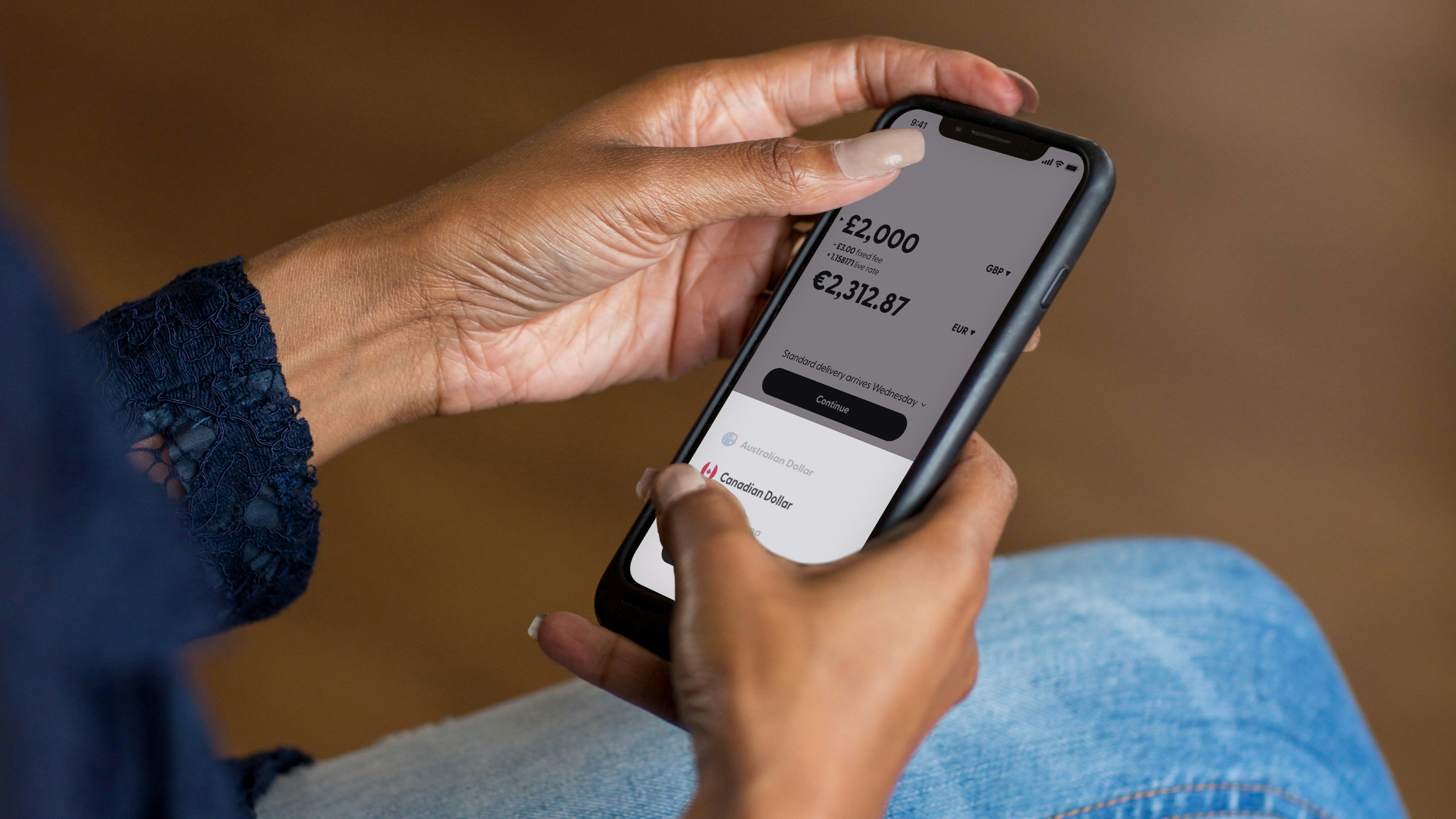
Managing international payments often brings challenges, especially when you need to coordinate different currencies and timelines. Whether you are transferring funds to...
Jun 06, 2026

Freelancers, contractors, and gig workers often deal with unpredictable pay schedules and unexpected delays in receiving income. Waiting for client payments or project...
Jun 02, 2026

Handling expenses across international borders brings a unique set of challenges. You deal with multiple currencies, shifting time zones, and varying tax regulations....
Apr 25, 2026

Setting aside money for a reliable back-up fund can feel challenging when your income does not arrive at regular intervals or in consistent amounts. You face the task of...
Jul 14, 2026

Managing billable hours, preparing precise invoices, and following up on overdue payments often consume valuable time that could go toward creative projects. Manual...
Apr 29, 2026
Many freelancers and small business owners spend a significant amount of time on the road, which means a basic insurance policy rarely covers all their needs. Travel...
Apr 18, 2026

Managing a sales team that operates across different time zones brings unique challenges, such as juggling conflicting schedules and addressing diverse market...
May 18, 2026

Strong security measures help protect confidential data and keep trust intact when teams work from different locations. Digital identity verification solutions play a...
May 09, 2026

Securing funding for decentralized projects often requires solutions that align with their open, distributed structure. Crowdfunding platforms tailored to these needs...
Mar 31, 2026

Creators use decentralized crowdfunding to connect directly with supporters around the world, eliminating the need for banks or intermediaries. Peer-to-peer networks...
Jun 10, 2026
New hires who join a company remotely benefit from a warm, well-organized introduction. A carefully prepared box filled with branded items creates a sense of belonging...
Apr 15, 2026

Successful collaboration across different time zones relies on tools that maintain seamless and personal connections with clients. A remote-friendly customer management...
Jun 21, 2026

Building a sense of connection among team members, no matter where they work from, plays a vital role in creating a supportive workplace. A well-designed program begins...
May 22, 2026

Coordinating suppliers from different continents tests a team’s ability to work together seamlessly. Offices that operate across multiple time zones benefit greatly from...
Apr 22, 2026