
7 Practical Ways to Manage Currency Fluctuations When Working Across Borders
Aug 12, 2026



Many people receive payments in dollars, euros, or yen, and each fluctuation in exchange rates can affect how much money they actually keep. When every shift in currency values makes a difference, handling foreign payments becomes a necessary part of protecting your income. You can learn to recognize the risks that come with changing exchange rates, calculate how much your earnings might vary, and use straightforward techniques to help keep your paycheck stable. With a better understanding of these concepts, you can feel more confident about managing your finances, whether you get paid in one currency or several.
These factors can erode your income or boost it unexpectedly. Identifying them helps you take control rather than react nervously. You’ll see where your money might leak or where it can grow.
You’ll use this knowledge to set practical controls. Think of these ideas as guardrails for your budget. They keep your cash flows predictable, so you can focus on work instead of exchange-rate charts.
Begin by listing each income source and currency. Record amounts, expected pay dates, and any applicable fees. This simple ledger reveals where you risk losses or gains.
Next, compare your expenses. Do you pay rent in euros but earn in dollars? Or does a streaming subscription charge yen while you bill clients in pounds? Matching outflows with inflows reduces surprises.
Use a spreadsheet or a finance app to track daily or weekly rate changes. That habit shows trends and highlights your most volatile pairings. You might find that one currency swings by 5% in a month while others stay steady.
Once you measure where fluctuations hit hardest, you can focus your efforts. You’ll know whether to worry about the dollar-euro gap or the yen-pound roller coaster.
Each method has advantages and disadvantages. Forward contracts offer certainty but may require minimum volumes or fees. Currency accounts allow you to wait for better rates, though they carry small holding charges.
Staggered conversions reduce timing risk, but you’ll pay higher transfer fees over multiple transactions. Natural hedging costs little but depends on client agreements. Mix and match methods to suit your workflow and cash flow needs.
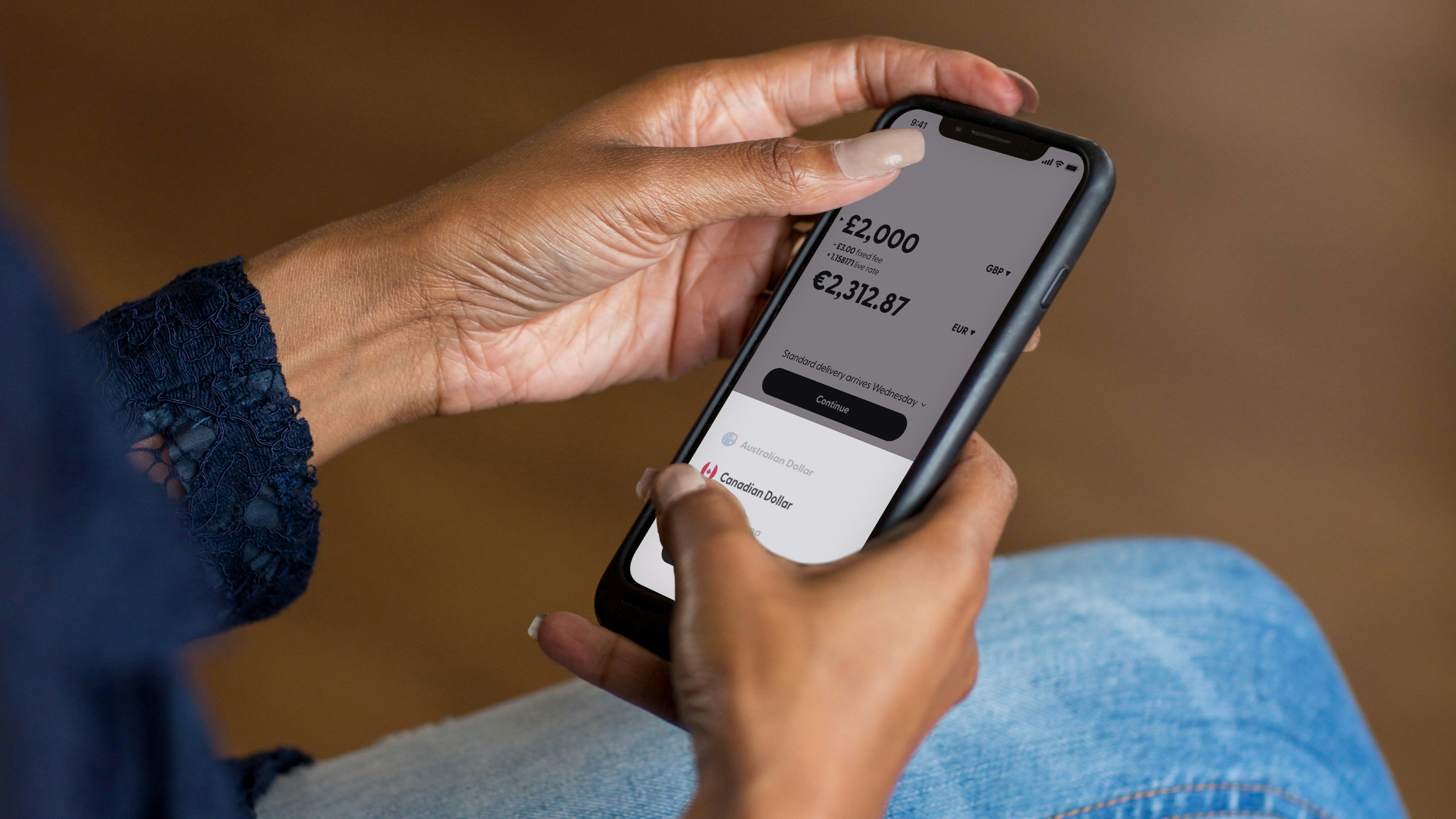
Several services make handling multiple currencies easier. Revolut and Wise let you hold, convert, and send funds in dozens of currencies with transparent fees. They update exchange rates in real time so you can act quickly.
Another option, Payoneer, provides receiving accounts in major currencies. It routes funds to your local bank at competitive rates. You’ll reduce fees and avoid multiple middlemen.
For advanced hedging, platforms like OANDA or your bank’s trading desk offer forward contracts and options. They include more features but require higher balances and sometimes an application process.
Try one or two tools at low volume to see how each interface works. You’ll learn which fits your billing cycles and which fees least affect your take-home pay.
Set a weekly or biweekly reminder to review your exposures and rates. Choose a consistent day—say every Monday morning—so you develop a habit. This quick check keeps surprises away.
Track how each hedging move performs. Did your forward contract save 2% on a large invoice? Or did you miss a better rate by waiting too long with a currency account? Record these wins and misses to improve your plan.
Keep an eye on economic news. Central-bank meetings, elections, or trade reports can trigger sharp moves. You don’t need to become an economist—just glance at headlines for key events that might affect your top two currency pairs.
Then decide whether to lock in a rate, shift balances, or adjust invoice timing. Routine tweaks keep your strategy relevant as markets change.
Managing currency risk boils down to understanding where your money goes and how it can change.
Use simple tools and regular check-ins to maintain more of your earnings. This approach works regardless of exchange rate changes.
Managing international payments often brings challenges, especially when you need to coordinate different currencies and timelines. Whether you are transferring funds to...
Jun 06, 2026

Handling earnings from gigs, consulting, and side jobs often means keeping track of several moving parts at once. Getting a clear view of where your money comes from...
Aug 19, 2026

Signing important documents once required printing them out, searching for a pen, and scanning the completed pages before sending them off. Digital solutions now make...
Aug 30, 2026

Building a secure financial future often resembles assembling a complex puzzle, particularly for those whose careers revolve around technology and digital tools....
Jul 21, 2026

Creators use decentralized crowdfunding to connect directly with supporters around the world, eliminating the need for banks or intermediaries. Peer-to-peer networks...
Jun 10, 2026

Freelancers, contractors, and gig workers often deal with unpredictable pay schedules and unexpected delays in receiving income. Waiting for client payments or project...
Jun 02, 2026

Teams working from different locations often struggle to keep communication smooth and projects on track. People swap between calendars, manage files, and send messages...
Jun 15, 2026

Building a sense of connection among team members, no matter where they work from, plays a vital role in creating a supportive workplace. A well-designed program begins...
May 22, 2026

Keeping track of work hours becomes much easier when you use the right tools. A good cloud-based solution lets you see exactly how time gets spent on each task, project,...
Aug 22, 2026

Building a network of online locations brings exciting possibilities, yet it often comes with complex hurdles. As your organization enters new regions, laying down a...
Aug 09, 2026

Teams work more efficiently and stay connected with cloud-based file sharing. Accessing documents from any location becomes effortless, and everyone can see updates as...
Aug 02, 2026

Smart gadgets bring convenience to daily routines by handling repetitive chores and helping set up a workspace that feels just right. Devices like a smart speaker can...
Aug 26, 2026

Successful collaboration across different time zones relies on tools that maintain seamless and personal connections with clients. A remote-friendly customer management...
Jun 21, 2026

Reliable access to project files and essential company tools often happens outside the office. Using a virtual private network, or VPN, builds a secure connection...
Jul 24, 2026