
10 Remote Expense Management Solutions for International Teams
Apr 25, 2026



Traveling often means keeping track of receipts, different currencies, and invoices, which can take up valuable time that could be used discovering new places or pursuing personal projects. Recording expenses right away helps you stay within your budget and prevents end-of-month surprises. By using the right tools, you can handle these tasks with ease and spend less time worrying about finances. This approach lets you concentrate on experiences and goals that truly matter, rather than sorting through paperwork and numbers. Explore solutions that make managing your expenses simple, so you can enjoy your adventures or work without distraction.
Knowing exactly where every dollar goes helps you plan future trips or projects. It also reveals patterns—like eating out too much—that you can tweak.
When you automate expense logging, you spend less time sorting paper slips. You can build a habit of quick scans and manual checks only when needed.
Clear menus and quick setup reduce the learning curve. You need to log expenses in seconds, not minutes.
Support for credit card and bank integration cuts manual entries. Some tools also let you connect payment cards directly for automatic import.
Key features: Auto-sync with bank accounts, budget alerts, customizable categories.
Pros: Free plan available, simple dashboards, bill reminders.
Cons: Ads in free version, limited multi-currency handling.
Pricing: Free; Premium tier at $4.99/month for ad-free experience.
Platforms: iOS, Android, Web.
Key features: SmartScan receipt capture, automatic categorization, approval workflows.
Pros: Fast receipt scanning, integrates with payroll and accounting suites.
Cons: Pricing can climb for teams, occasional OCR errors.
Pricing: Free for up to 10 reimbursable receipts/month; Team plan starts at $5/user/month.
Platforms: iOS, Android, Web.
Key features: Multi-currency tracking, mileage log, policy compliance rules.
Pros: Generous free tier, strong integrations with Zoho suite.
Cons: Some features locked behind higher tiers, learning curve.
Pricing: Free up to 3 users; Standard at $5/user/month.
Platforms: iOS, Android, Web.
Key features: Simple expense tracker, receipt upload, banking sync.
Pros: Free accounting and invoicing, unlimited users.
Cons: Lacks advanced mobility features, limited mobile app.
Pricing: Core features free; payment processing and payroll paid add-ons.
Platforms: Web, iOS, Android (expense only).
Key features: Mileage tracking, quarterly tax calculation, invoice creation.
Pros: Built-in tax tools, integrates with TurboTax.
Cons: Only for freelancers and solopreneurs, no multi-currency.
Pricing: $15/month; Self-Employed Tax Bundle at $25/month.
Platforms: iOS, Android, Web.
Key features: Trip budgeting, group expense reports, vendor rates.
Pros: Designed for frequent travelers, policy enforcement tools.
Cons: Enterprise focus, small teams may find features overkill.
Pricing: Free trial; custom pricing for businesses.
Platforms: iOS, Android, Web.
Key features: Instant data capture, mileage and per diem tracking, approval flows.
Pros: User-friendly, strong mobile app, multi-currency support.
Cons: Higher cost for small teams, some advanced features require training.
Pricing: Starts at $9/user/month.
Platforms: iOS, Android, Web.
Trying out free trials side by side helps you see which one matches your workflow. Focus on how quickly you can enter data and how clear the reports are.
Select tools that allow you to export your data. That way, you keep control if you decide to switch apps or later add advanced accounting software.
Begin each day by taking photos of receipts. Set a two-minute timer to review yesterday’s expenses. This practice prevents pileups and forgotten items.
Link your credit card to the app so purchases automatically appear. Tag entries with project or trip names to filter easily.
Every week, reconcile your bank statements. Matching entries improves accuracy and catches errors early.
Use calendar reminders for monthly reviews. Updating budgets in advance keeps your spending aligned with your goals.
Logging meals, mileage and home-office costs can lower your tax bill. Make sure categories match IRS guidelines. Record details like the purpose and location of each expense.
Expense tools often create reports tailored for tax filings. This saves hours when you give your data to a tax professional.
Always keep digital receipts stored securely. Cloud backups protect you if paper copies fade or get lost.
Consistent expense tracking helps you understand your finances and find savings. Use one of these apps to manage your money efficiently on the go.

Managing payments for remote teams brings unique hurdles, including handling several currencies, unpredictable exchange rates, and differing fee requirements. These...
Jul 10, 2026
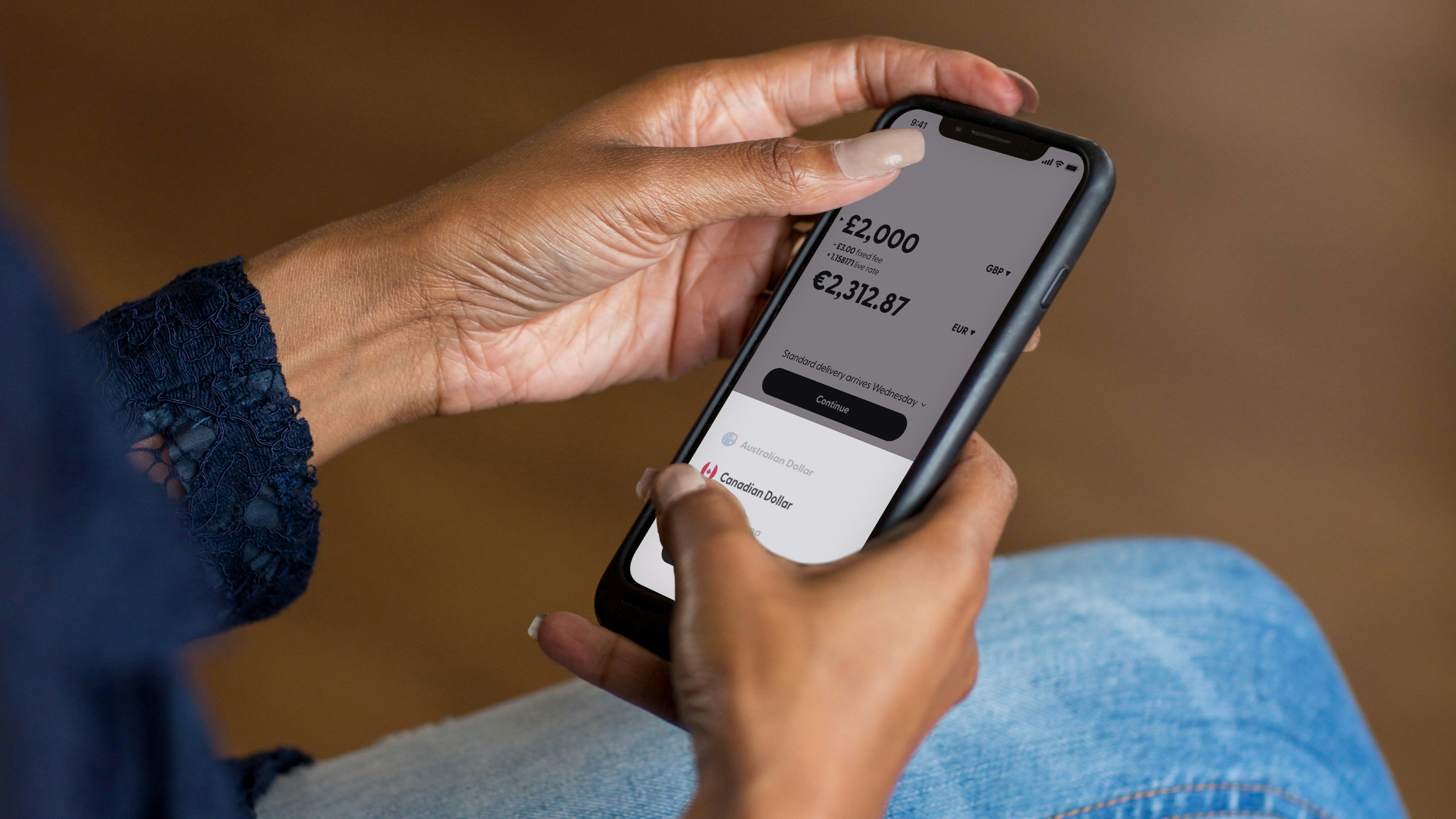
Managing international payments often brings challenges, especially when you need to coordinate different currencies and timelines. Whether you are transferring funds to...
Jun 06, 2026

Building a secure financial future often resembles assembling a complex puzzle, particularly for those whose careers revolve around technology and digital tools....
Jul 21, 2026
Staying organized while away from your desk often means balancing several priorities at once. You want instant updates, dependable alerts, and an easy way to track every...
May 12, 2026

Teams working from different locations often struggle to keep communication smooth and projects on track. People swap between calendars, manage files, and send messages...
Jun 15, 2026

Freelancers, contractors, and gig workers often deal with unpredictable pay schedules and unexpected delays in receiving income. Waiting for client payments or project...
Jun 02, 2026

Coordinating tasks when team members work from various time zones often requires careful planning and clear communication. The right app helps everyone stay connected,...
Apr 07, 2026

Creators use decentralized crowdfunding to connect directly with supporters around the world, eliminating the need for banks or intermediaries. Peer-to-peer networks...
Jun 10, 2026

Strong security measures help protect confidential data and keep trust intact when teams work from different locations. Digital identity verification solutions play a...
May 09, 2026
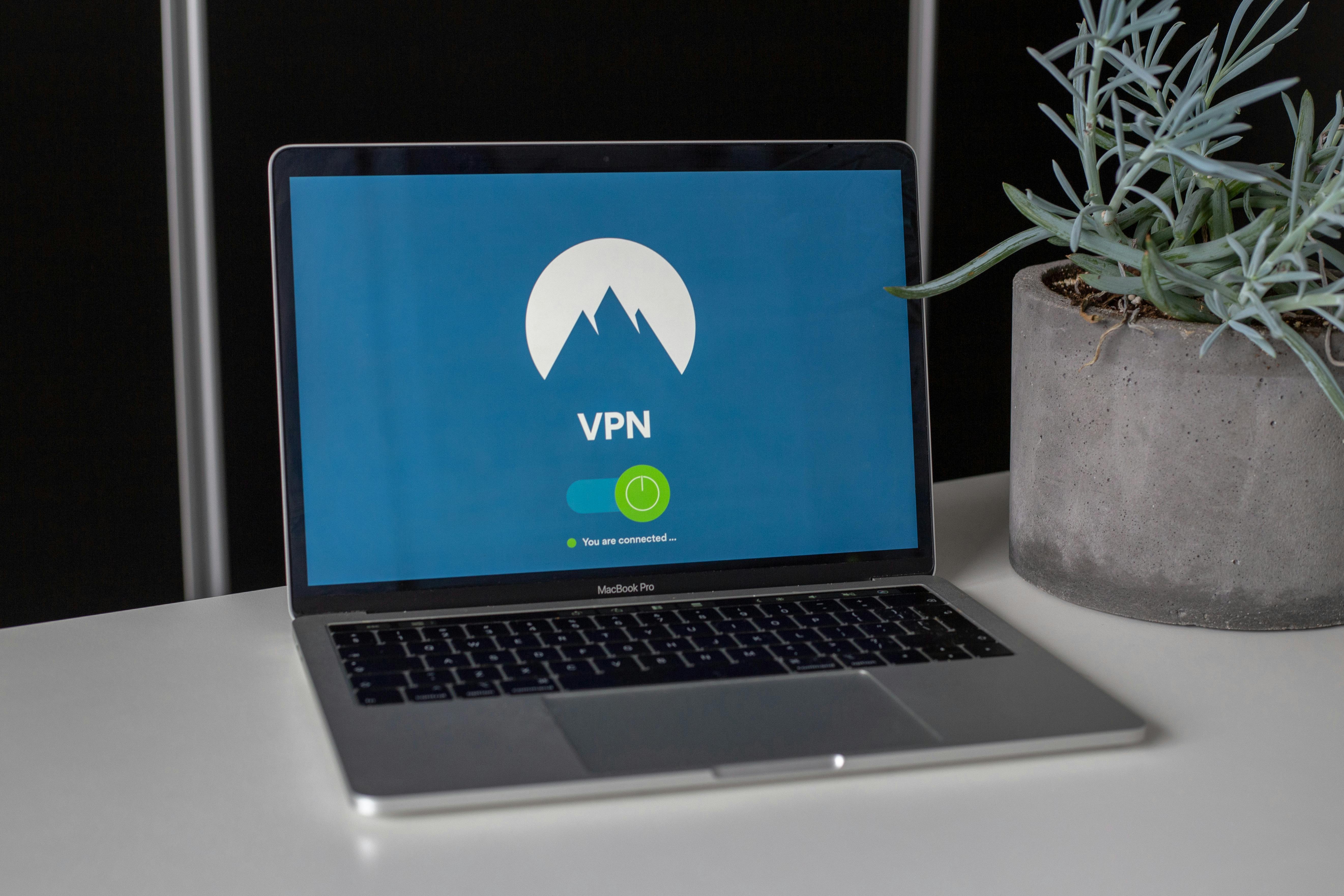
Working outside a traditional office often means relying on public Wi-Fi or home networks, which may not offer strong protection. Using advanced VPN solutions helps...
Apr 03, 2026

Carrying your work wherever you go opens up new possibilities and unique hurdles. Moving between home, bustling coffee shops, and shared spaces means constantly adapting...
Apr 11, 2026

Building a sense of connection among team members, no matter where they work from, plays a vital role in creating a supportive workplace. A well-designed program begins...
May 22, 2026

Coordinating suppliers from different continents tests a team’s ability to work together seamlessly. Offices that operate across multiple time zones benefit greatly from...
Apr 22, 2026

Successful remote customer support depends on setting clear goals and following practical methods. Teams rely on dependable tools, organized workflows, and strong...
Jul 05, 2026