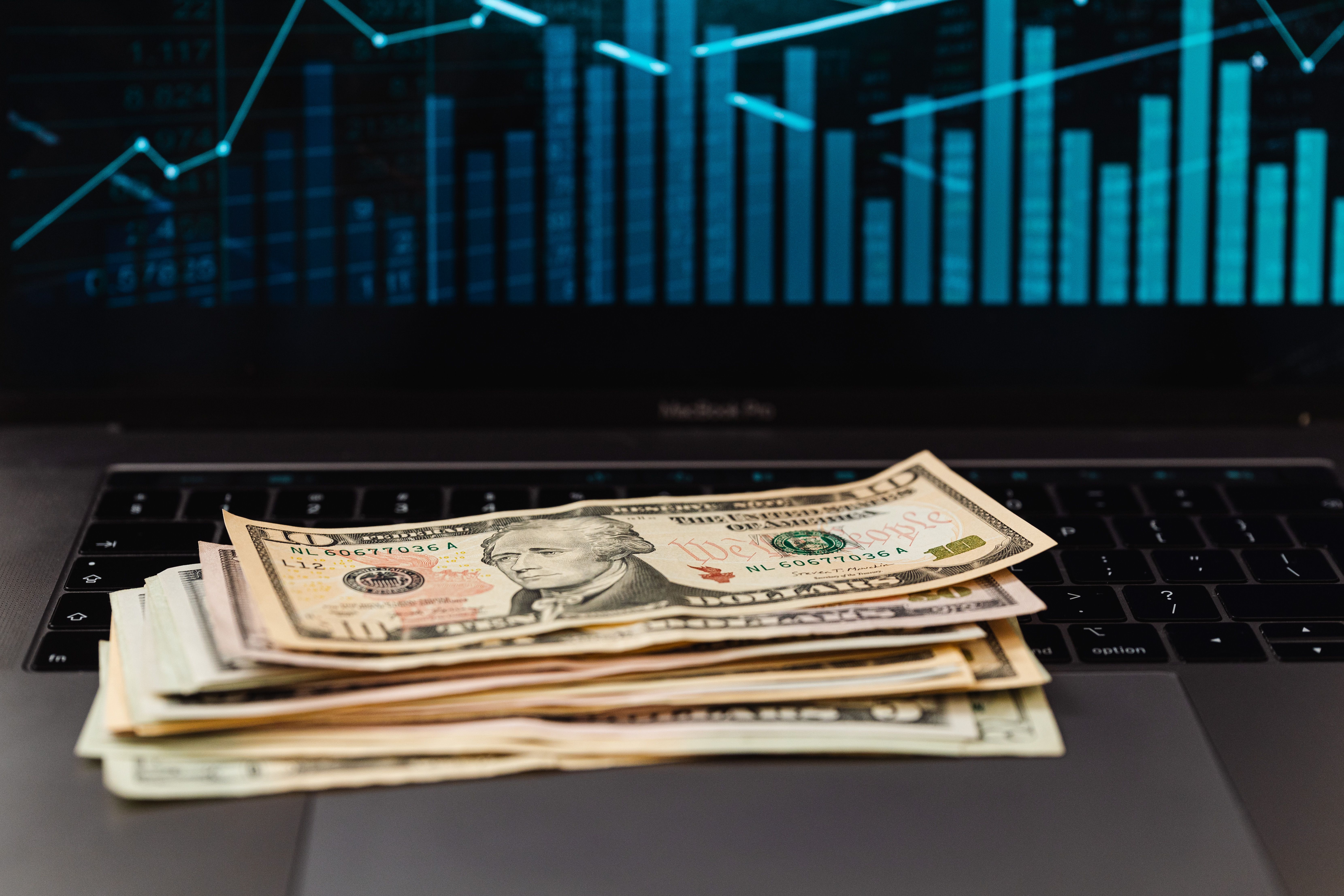
7 Powerful Strategies for Managing Cash Flow With Irregular Income
Jun 02, 2026



Working with income that changes from month to month often adds extra challenges when it comes to taxes. Those who receive payments from gigs, consulting, freelancing, or temporary contracts need to pay special attention to their finances to make the most of available deductions. It’s common to feel uncertain about which expenses qualify and how best to track them, especially when facing a pile of receipts or invoices. Taking time to get organized and learn the basics of tax deductions helps you hold onto more of your earnings and reduces stress when tax season arrives. Staying proactive throughout the year simplifies the process and saves you money in the long run.
Knowing which deductions apply and maintaining proper records can save you time and money during tax season. By adopting practical practices now, you prepare yourself for a smoother process when it’s time to file. Let’s explore how to make the most of your flexible income with effective tax deduction tips.
Flexible income refers to earnings that vary month to month, often coming from multiple sources outside of a regular salary. For example, if you work as a freelancer or a consultant, your income might depend on the number of projects you complete or the hours you work. This variability makes it harder to predict your total income and plan deductions accordingly.
Tax implications for flexible income differ from traditional wages. Since you don’t have taxes automatically withheld, you need to take responsibility for estimating and paying your taxes quarterly. This process requires a clear understanding of your income streams and the expenses you can claim. The more accurately you track your earnings and deductions, the less likely you are to face surprises at tax time.
Understanding these categories helps you identify what qualifies and ensures you don’t overlook potential deductions. Staying organized with receipts and records throughout the year makes claiming these expenses straightforward and accurate.
By following these recordkeeping practices, you build a reliable record of your expenses, making the deduction process less stressful and more accurate. Staying organized also ensures you don’t miss out on deductions you qualify for and can defend your claims if audited.
When managing Flexible Income Streams, consider exploring advanced tax planning methods to maximize your savings. For example, setting up a dedicated business entity such as an LLC can provide additional deductions and liability protection. Consult a tax professional to determine if this approach suits your situation and to understand the specific benefits in your state or country.
Beyond basic deductions, you can also explore retirement account options tailored for self-employed individuals, like a *SEP IRA* or *Solo 401(k)*. These accounts allow you to contribute larger amounts, reducing your current taxable income while building retirement savings. Keep in mind that contribution limits change annually, so staying updated with IRS rules helps you plan effectively.
Managing taxes for fluctuating income requires ongoing planning and proactive recordkeeping. Regularly review your income and expenses, and adjust your estimated payments accordingly. This process helps you avoid unexpected liabilities and makes tax season less stressful. Engage with a tax advisor who understands your unique financial situation to optimize your deductions and ensure compliance.
Taking control of your tax planning now makes a significant difference in your financial health. With careful organization and strategic planning, you can keep more of your earnings and face tax time confidently.
Keep track of your income and expenses to make informed decisions and prevent surprises. Seek professional advice if necessary to stay on course.

Handling expenses across international borders brings a unique set of challenges. You deal with multiple currencies, shifting time zones, and varying tax regulations....
Apr 25, 2026
Many freelancers and small business owners spend a significant amount of time on the road, which means a basic insurance policy rarely covers all their needs. Travel...
Apr 18, 2026
Managing payments for remote teams brings unique hurdles, including handling several currencies, unpredictable exchange rates, and differing fee requirements. These...
Jul 10, 2026
Staying organized while away from your desk often means balancing several priorities at once. You want instant updates, dependable alerts, and an easy way to track every...
May 12, 2026
Handling finances across different countries often creates challenges, especially when payments and expenses occur in several currencies. Remote professionals often deal...
May 02, 2026

Managing international payments often brings challenges, especially when you need to coordinate different currencies and timelines. Whether you are transferring funds to...
Jun 06, 2026

Managing billable hours, preparing precise invoices, and following up on overdue payments often consume valuable time that could go toward creative projects. Manual...
Apr 29, 2026

Building a sense of connection among team members, no matter where they work from, plays a vital role in creating a supportive workplace. A well-designed program begins...
May 22, 2026

Carrying your work wherever you go opens up new possibilities and unique hurdles. Moving between home, bustling coffee shops, and shared spaces means constantly adapting...
Apr 11, 2026

Moving away from frequent meetings opens up more time in your daily routine, giving you the chance to concentrate on meaningful tasks without disruptions. With clear...
Aug 05, 2026
Managing a sales team that operates across different time zones brings unique challenges, such as juggling conflicting schedules and addressing diverse market...
May 18, 2026

Bringing together a team that works from different places calls for a thoughtful and adaptable leadership style. Effective leaders combine strong guidance with authentic...
Jun 28, 2026

Teams work more efficiently and stay connected with cloud-based file sharing. Accessing documents from any location becomes effortless, and everyone can see updates as...
Aug 02, 2026
Modern smart devices bring surprising improvements to any home workspace. By integrating these gadgets into your daily routine, you can boost concentration, support...
May 07, 2026