
How to Build Engaging Employee Programs for Distributed Teams
May 22, 2026



Connecting with partners from around the world through virtual talks presents unique challenges, especially when you miss out on face-to-face cues like body language. Careful preparation and the right technology help these conversations flow easily, even when participants live in different countries and time zones. Closing deals with global partners no longer requires booking flights, but it does demand thoughtful decisions. Start by selecting a reliable platform that fits your needs, take time to learn about the people you will be speaking with, and focus on refining your message so it is clear and relevant. These steps pave the way for effective cross-border communication.
Each step in the process shapes your outcome. A well-tuned opening, firm data points, and genuine listening help you stand out. Strong connections form when you mirror cultural norms and show respect for different work styles. With real examples and focused tactics, you can turn online chats into signed contracts.
Picking the right meeting platform sets the stage for success. *Zoom* offers breakout rooms and live polling. *Microsoft Teams* combines chat, video, and file sharing in one app. *Google Meet* works well within *Google Workspace*. Select a tool that your counterpart already uses to avoid extra downloads and access issues.
Test your chosen app before any important session. Check audio and video quality. Ensure screen sharing works smoothly. Invite a colleague to a practice session and go through your slide deck or demo. Identifying glitches early helps you maintain credibility when discussions start.
Following this checklist keeps you organized and confident. You can focus on substance instead of scrambling for files during the call. When each item is prepared, you move through stages of the discussion without losing momentum.
In remote talks, you lose many nonverbal cues. Voice tone, volume, and slight pauses become your tools for emphasis. You can also give quick summaries between topics to check understanding. These steps reduce misunderstandings and keep negotiations on track.
Norms around hierarchy and decision speed differ greatly. In some regions, final approval comes only after several internal reviews. In others, one executive makes the decision. Find out who holds decision-making power and plan additional calls if needed.
Learn basic greetings and business etiquette before the call. A greeting in the native language, even a simple phrase, shows respect. Note holidays or local working hours to avoid scheduling conflicts. These small details show that you value their time.
Start each session with a brief personal check-in. Spend a minute asking about well-being or local events. This step humanizes the process and eases into more challenging topics. Trust often develops through small talk when in-person cues are absent.
Follow up promptly with meeting notes and clear action points. Set deadlines and assign responsibilities for each task. When you deliver results on time and update progress, you strengthen your reliability. Reliable updates give your partner confidence to move forward.
Record sessions when all parties agree. These recordings serve as a reference to clarify details and reduce confusion over next steps. Save highlights in short clips to share with team members who couldn’t attend.
Use shared whiteboards to outline deal terms in real time. Platforms like *Miro* or *MURAL* allow participants to drag and edit sticky notes. This interactive feature increases engagement and provides everyone with a clear visual plan.
Real-time polling can help break decision points into clear options. Tools such as *Slido* integrate with video calls. When your partner votes on a question, you receive immediate feedback. This approach prevents endless back-and-forth emails.
Chat features are also valuable. Encourage quick questions in the sidebar. If someone raises a concern, you can address it immediately or note it for a later agenda point. This flow keeps the main discussion focused and gives voice to more reserved participants.
Combining audio, visual, and chat channels allows each participant to engage in their preferred way. Using these modes together sharpens focus and produces richer input.
Set clear goals, respect cultural differences, and use technology effectively to succeed in negotiations. Each discussion helps you learn and improve for the future.

Teams working from different locations often struggle to keep communication smooth and projects on track. People swap between calendars, manage files, and send messages...
Jun 15, 2026

Many teams enjoy the flexibility of working remotely, yet they often face unique hurdles when technical issues arise. When a server goes down, people scramble from their...
Mar 20, 2026

Successful remote customer support depends on setting clear goals and following practical methods. Teams rely on dependable tools, organized workflows, and strong...
Jul 05, 2026

New hires who join a company remotely benefit from a warm, well-organized introduction. A carefully prepared box filled with branded items creates a sense of belonging...
Apr 15, 2026

Building a strong network that spans multiple locations requires clear guidelines, common traditions, and regular communication to ensure everyone stays connected and...
May 27, 2026

Modern smart devices bring surprising improvements to any home workspace. By integrating these gadgets into your daily routine, you can boost concentration, support...
May 07, 2026

Carrying your work wherever you go opens up new possibilities and unique hurdles. Moving between home, bustling coffee shops, and shared spaces means constantly adapting...
Apr 11, 2026
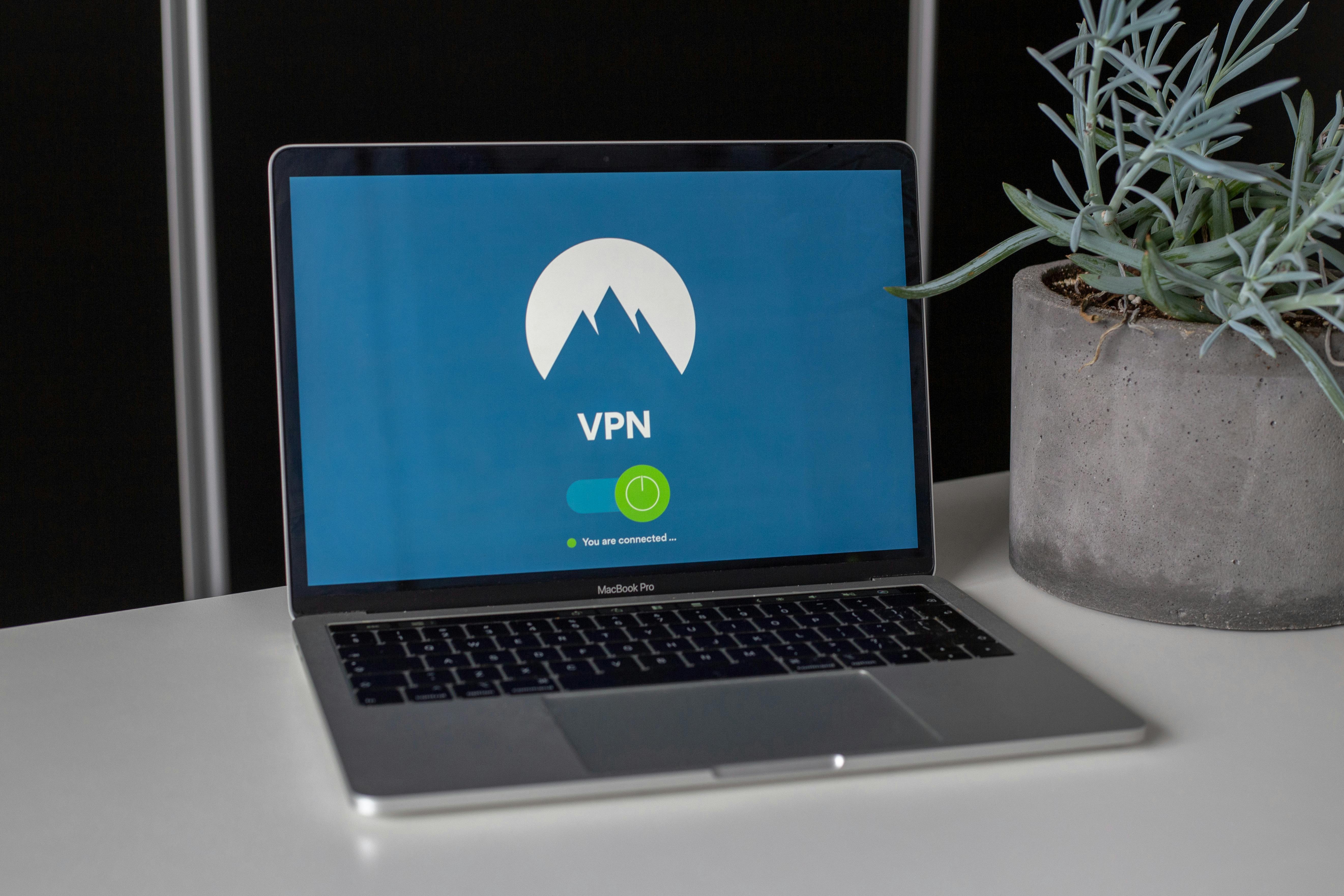
Working outside a traditional office often means relying on public Wi-Fi or home networks, which may not offer strong protection. Using advanced VPN solutions helps...
Apr 03, 2026

Creators use decentralized crowdfunding to connect directly with supporters around the world, eliminating the need for banks or intermediaries. Peer-to-peer networks...
Jun 10, 2026

Coordinating suppliers from different continents tests a team’s ability to work together seamlessly. Offices that operate across multiple time zones benefit greatly from...
Apr 22, 2026

Managing billable hours, preparing precise invoices, and following up on overdue payments often consume valuable time that could go toward creative projects. Manual...
Apr 29, 2026

Managing international payments often brings challenges, especially when you need to coordinate different currencies and timelines. Whether you are transferring funds to...
Jun 06, 2026
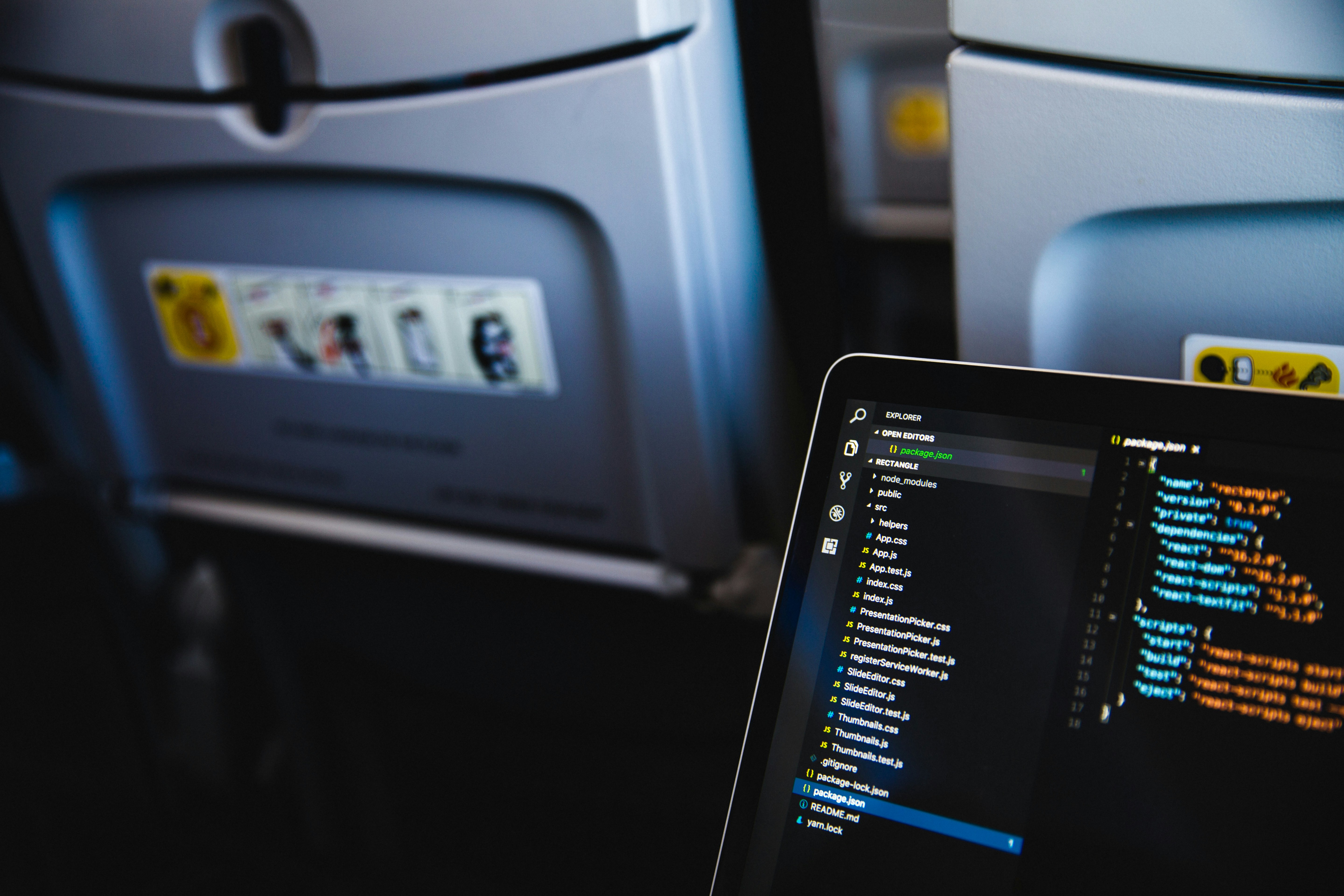
Staying organized while away from your desk often means balancing several priorities at once. You want instant updates, dependable alerts, and an easy way to track every...
May 12, 2026

Successful collaboration across different time zones relies on tools that maintain seamless and personal connections with clients. A remote-friendly customer management...
Jun 21, 2026