
6 Game-Changing Onboarding Strategies for Seamless Virtual Teams
Apr 15, 2026



Working with colleagues across different continents brings unique challenges that can dampen excitement and teamwork. Time zone gaps make spontaneous conversations rare, while cultural differences can shift how people interpret each message. Without strong connections, team members may feel isolated or disconnected from the group’s goals. Creating a sense of unity requires thoughtful effort and consistent action. The suggestions below provide practical ways to keep everyone involved and motivated, regardless of their location. With the right approach, distance and diversity become strengths that help the team grow closer and accomplish shared objectives together.
Short daily gatherings give everyone a moment to align priorities. They break the silence that can grow over time and clear up confusion before it snowballs.
These quick huddles spark interaction. Over time, they build a habit of speaking up, which ripples into other chats.
Instead of long monologues, invite team members to pitch topics when they hit roadblocks. That way, each session tackles real needs.
Real-time chats won’t reach everyone. Shared workspaces let people post updates when it fits their schedule.
With a consistent layout, everyone knows where to look for updates. That reduces duplicate questions and prevents items from slipping through the cracks.
Over time, these hubs become a living archive. New hires can backtrack on decisions and see how challenges were solved.
Simple traditions help connect people across borders. They give each person a moment to share part of their identity.
Try a monthly “Local Flavor” session where one person shows a snack, a holiday tradition, or a phrase from their region. Keep it to five minutes per participant. A casual setup encourages questions and curiosity.
Another option: pick a theme each week—music, travel snapshots, or book suggestions. Each participant adds a short note or image. These rituals show that the team values every culture equally.
Such moments break the pattern of pure work talk. They remind everyone there are real people behind the screens.
Public praise lifts spirits. A quick shout-out can spark momentum.
Tangible rewards can increase engagement by up to 30%, according to a recent internal survey at a global tech firm. Recognition fuels the desire to tackle tough tasks next.
Frequent praise also helps newcomers feel welcome. When they see regular shout-outs, they realize the team notices effort everywhere.
Pairing team members across regions sharpens skills and builds trust. A short mentorship run can last four to six weeks and focus on a specific topic.
Form small groups of three people. Rotate roles: coach, learner, and observer. Each meets for 30 minutes twice a week to share feedback and work on a mini project. At the end, they demo their results to the wider group.
These groups encourage hands-on learning. They give each person a platform to teach and a safe space to ask questions. Over time, bonds form that extend beyond task lists.
Occasional group workshops led by rotating experts also help spread knowledge. Recording these sessions builds a library for future reference.
Strong engagement results from teams building shared moments, clear communication, and genuine connections. These efforts create a united team capable of tackling challenges together.

Successful remote customer support depends on setting clear goals and following practical methods. Teams rely on dependable tools, organized workflows, and strong...
Jul 05, 2026

Bringing together a team that works from different places calls for a thoughtful and adaptable leadership style. Effective leaders combine strong guidance with authentic...
Jun 28, 2026

Managing a sales team that operates across different time zones brings unique challenges, such as juggling conflicting schedules and addressing diverse market...
May 18, 2026

Many teams enjoy the flexibility of working remotely, yet they often face unique hurdles when technical issues arise. When a server goes down, people scramble from their...
Mar 20, 2026

Building a strong network that spans multiple locations requires clear guidelines, common traditions, and regular communication to ensure everyone stays connected and...
May 27, 2026

Connecting with partners from around the world through virtual talks presents unique challenges, especially when you miss out on face-to-face cues like body language....
Mar 17, 2026

Creators use decentralized crowdfunding to connect directly with supporters around the world, eliminating the need for banks or intermediaries. Peer-to-peer networks...
Jun 10, 2026

Smart planning helps keep startup expenses in check when you operate without a dedicated office. Team members working from home or meeting in coffee shops can easily...
Mar 24, 2026

Coordinating tasks when team members work from various time zones often requires careful planning and clear communication. The right app helps everyone stay connected,...
Apr 07, 2026

Successful collaboration across different time zones relies on tools that maintain seamless and personal connections with clients. A remote-friendly customer management...
Jun 21, 2026

Teams working from different locations often struggle to keep communication smooth and projects on track. People swap between calendars, manage files, and send messages...
Jun 15, 2026

Coordinating suppliers from different continents tests a team’s ability to work together seamlessly. Offices that operate across multiple time zones benefit greatly from...
Apr 22, 2026
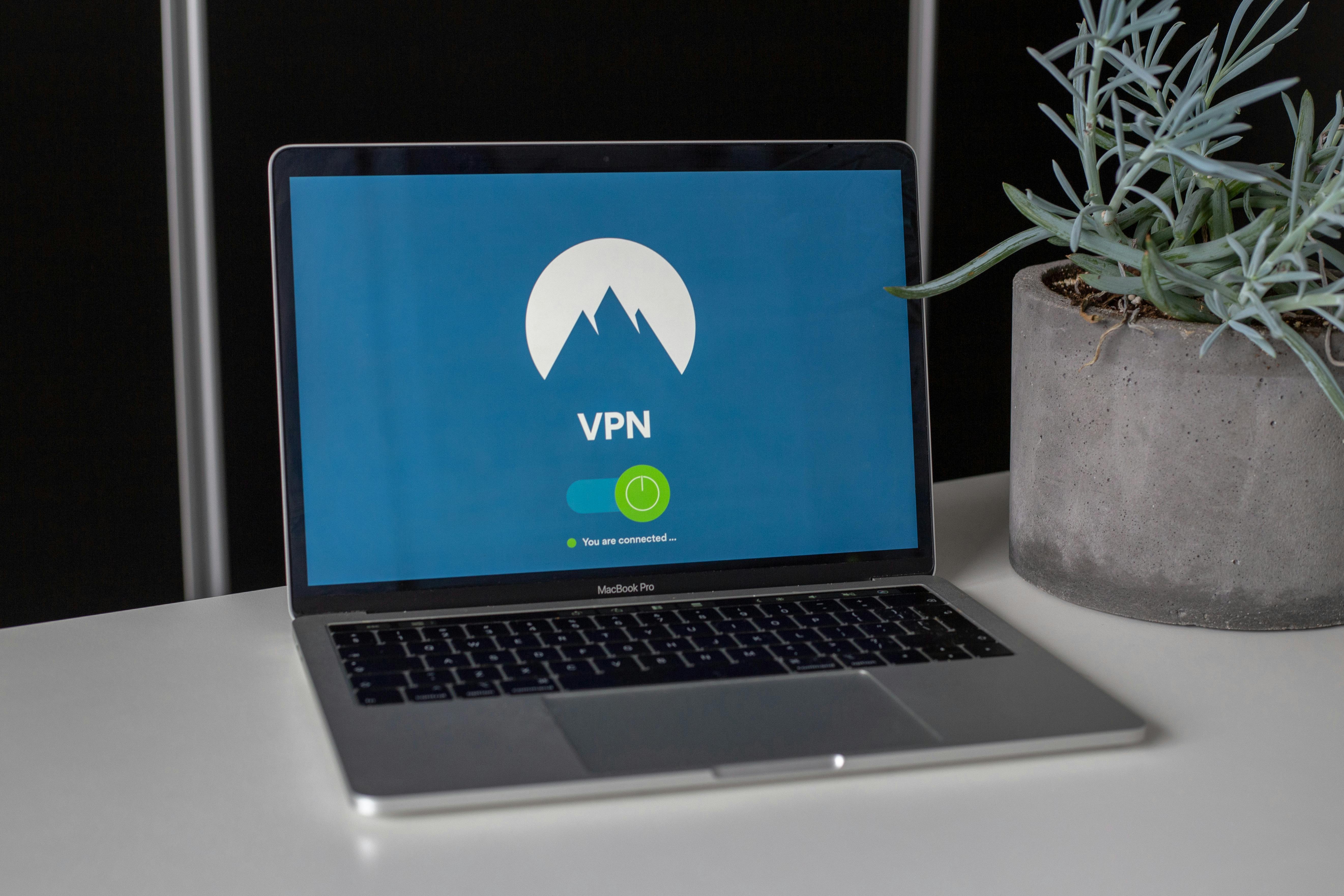
Working outside a traditional office often means relying on public Wi-Fi or home networks, which may not offer strong protection. Using advanced VPN solutions helps...
Apr 03, 2026

Handling expenses across international borders brings a unique set of challenges. You deal with multiple currencies, shifting time zones, and varying tax regulations....
Apr 25, 2026