The Best Digital Banking Platforms for Managing Cross-Border Payments
May 02, 2026



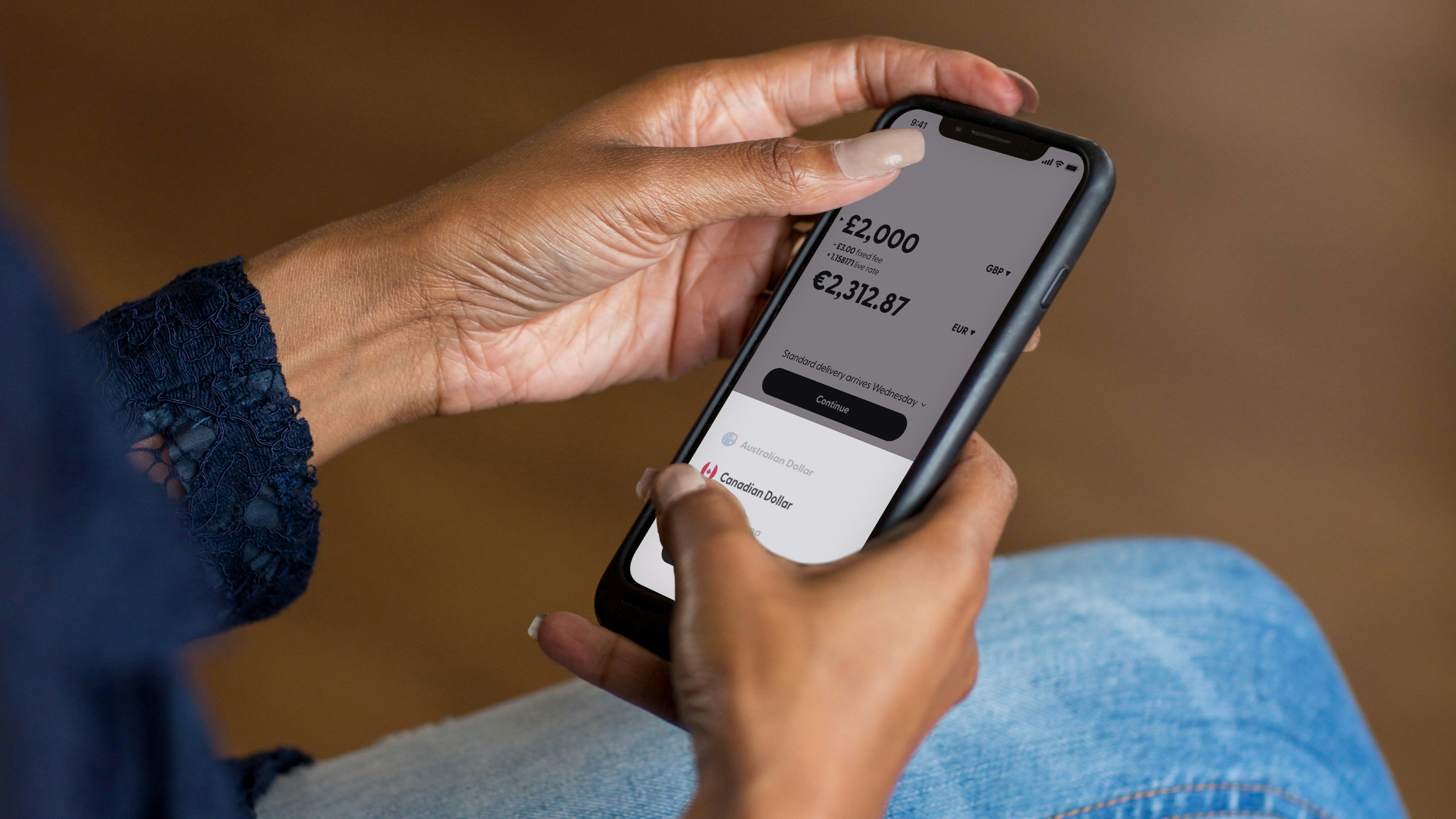
Handling payments across multiple currencies often adds unexpected challenges to your workflow. Project planning and successful delivery may go smoothly, only for fluctuating exchange rates to disrupt your bottom line. These unpredictable shifts can reduce your earnings or inflate your costs without warning. Taking steps to protect your finances from such volatility becomes essential. By putting reliable protections in place, you help ensure that your hard work receives fair compensation, no matter how the markets move.
You don’t need a finance degree to handle this. A few smart moves can lock in rates, track shifts and smooth out surprises. Let’s dive into concrete steps that keep your earnings steady, even when rates flip.
Currencies change based on supply and demand, economic news and geopolitical moves. When a central bank raises interest rates, investors chase that yield, pushing the currency higher. A single inflation report can send rates tumbling or soaring.
Remote professionals often invoice in one currency but spend in another. Those gaps create risk whenever rates change between billing and payment dates. By understanding what drives rates, you’ll spot chances to lock in favorable terms or adjust tactics before losses mount.
Forward contracts guarantee a rate for future transactions. You will know exactly how many dollars or euros hit your account. While you miss out on favorable moves beyond the locked rate, you also avoid damaging swings.
Holding multiple currencies reduces risks associated with timing conversions. If your client pays in euros, keep that money in your euro balance until rates reach a favorable level. You’ll avoid converting back at a poor rate.
Natural hedges match income and costs in the same currency. If you earn in yen but have software subscriptions billed in yen, you neutralize exposure. Track all recurring expenses and find opportunities to align them with your revenue currency.
Another approach involves local hiring or contracting. Suppose you need design work and earn in pounds. Hire a designer in the UK and pay them directly in pounds. You’ll avoid converting to another currency, saving on fees and reducing forecast errors.
Real-time data prevents surprises. When you see the dollar drop two percent in an hour, you can issue an invoice or exchange funds before it drops further. Acting quickly often makes the difference between a profit or a loss.
Add a small buffer into your invoices. Include a one to two percent cushion—say—to cover unexpected fluctuations. Clearly label it as a “currency adjustment fee” so clients understand the reason. Most clients accept a tiny buffer rather than face sudden surcharges.
Split large bills into multiple smaller invoices over time. That spreads out rate movements instead of forcing one large conversion at a potentially unfavorable rate. Sending four weekly invoices instead of one monthly spreads risk across four different rate points.
Let clients choose payment currencies. Allow them to select the currency that best suits their situation. You can then hedge or convert only the parts that matter most. This flexibility often speeds up payments and reduces disputes.
Negotiate payment lead times. If you notice rates tend to dip on Fridays, ask clients to pay midweek. Even shifting by a couple of days can secure a better rate if you monitor historical patterns.
Use rate locks, multi-currency accounts, and smart invoicing adjustments to protect your earnings from currency fluctuations. This approach keeps your focus on your work instead of exchange rate surprises.
Managing payments for remote teams brings unique hurdles, including handling several currencies, unpredictable exchange rates, and differing fee requirements. These...
Jul 10, 2026

Handling expenses across international borders brings a unique set of challenges. You deal with multiple currencies, shifting time zones, and varying tax regulations....
Apr 25, 2026

Freelancers, contractors, and gig workers often deal with unpredictable pay schedules and unexpected delays in receiving income. Waiting for client payments or project...
Jun 02, 2026

Setting aside money for a reliable back-up fund can feel challenging when your income does not arrive at regular intervals or in consistent amounts. You face the task of...
Jul 14, 2026

Teams working from different locations often struggle to keep communication smooth and projects on track. People swap between calendars, manage files, and send messages...
Jun 15, 2026

Modern smart devices bring surprising improvements to any home workspace. By integrating these gadgets into your daily routine, you can boost concentration, support...
May 07, 2026
Many freelancers and small business owners spend a significant amount of time on the road, which means a basic insurance policy rarely covers all their needs. Travel...
Apr 18, 2026

Successful collaboration across different time zones relies on tools that maintain seamless and personal connections with clients. A remote-friendly customer management...
Jun 21, 2026

Coordinating suppliers from different continents tests a team’s ability to work together seamlessly. Offices that operate across multiple time zones benefit greatly from...
Apr 22, 2026

Building a secure financial future often resembles assembling a complex puzzle, particularly for those whose careers revolve around technology and digital tools....
Jul 21, 2026

Strong security measures help protect confidential data and keep trust intact when teams work from different locations. Digital identity verification solutions play a...
May 09, 2026

Building a sense of connection among team members, no matter where they work from, plays a vital role in creating a supportive workplace. A well-designed program begins...
May 22, 2026

Reliable access to project files and essential company tools often happens outside the office. Using a virtual private network, or VPN, builds a secure connection...
Jul 24, 2026

Staying organized while away from your desk often means balancing several priorities at once. You want instant updates, dependable alerts, and an easy way to track every...
May 12, 2026