
9 Cloud-Based Productivity Tools That Transform Distributed Workflows
Feb 28, 2026



Teams working from different locations often struggle to keep communication smooth and projects on track. People swap between calendars, manage files, and send messages through a range of disconnected apps, which can lead to lost time and unnecessary confusion. Missed updates and scattered information quickly pile up, making it hard for everyone to stay focused on shared objectives. By using tools that connect schedules, bring all documents into one place, and show progress as it happens, teams cut down on manual steps and reduce misunderstandings. Choosing the right combination of software helps everyone stay organized and ensures that goals remain clear throughout every project.
This selection of seven SaaS platforms focuses on distinct challenges: scheduling, project tracking, file management, customer support, virtual meetings, time logging, and secure collaboration. Each entry highlights core features, cost models, and practical tips for fast setup. You’ll get specific steps and examples that fit typical workflows.
Clockwise improves calendars by shifting meetings into ideal slots and automatically blocking focus time. It connects with existing calendars and learns team patterns to prevent back-to-back calls. You’ll spend less time hunting for free slots and more time on deep work.
Key features and benefits:
Start by connecting Google Workspace or Microsoft 365. Define working hours and meeting buffer rules. Watch as Clockwise reshuffles existing events overnight. Share availability links so partners never propose awkward times.
ClickUp combines task lists, documents, and chat channels in one workspace. It adapts to both Agile sprints and waterfall roadmaps. Custom views allow each team to choose Boards, Gantt charts or simple lists. This flexibility reduces the need to switch between multiple project tools.
Implementation steps:
Use the Goals feature to connect tasks to quarterly objectives. Automation helps keep tasks moving without manual handoffs. Teams report 30% faster delivery on routine projects.
Dropbox Business provides cloud storage with advanced sharing controls. You can grant view-only or edit access with expiration dates. File requests enable stakeholders to upload documents without navigating folder structures.
Real-world tip: Create a “Final Assets” folder for design files and share it with external vendors. Use automated folder permissions to lock files after approval. This prevents accidental overwrites and keeps versions intact.
Zendesk Support simplifies customer inquiries through a unified ticketing interface. Your team sees all email, chat and voice interactions in one queue. You can tag, assign and prioritize tickets to meet service-level goals.
Tip for success: Build macros for common responses, like password resets or account questions. Add custom fields to capture project codes or contract numbers. These details speed up resolution and improve your analytics dashboards.
Zoom powers video meetings with features like breakout rooms, polling and virtual whiteboards. It adapts to one-on-one sessions or large webinars. Automated recording and transcription make it easy to archive sessions.
Practical shortcut: Schedule recurring standups with calendar integration and enable auto-record. Share the transcript link for anyone who misses the meeting. This approach keeps newcomers up to speed without extra catch-up calls.
Harvest captures time logs quickly with mobile and desktop apps. You can start and stop timers on tasks, then categorize entries by project or client. Invoicing directly relates to billable hours.
Pro tip: Set weekly email reminders to prompt team members to log hours. Use Harvest’s visual reports to identify projects that exceed budgets before issues escalate.
Slack centralizes team conversations and app notifications in organized channels. You can pin critical messages, star important files, and create private groups for sensitive topics. Threaded replies help keep context clear.
Actionable idea: Connect Slack with your ticketing system to post new tickets in a dedicated channel. This way, support issues become visible to everyone in real time. Use emoji reactions as quick acknowledgments when full replies aren’t necessary.
Introducing multiple tools without a clear plan can cause confusion. Follow these tips to make the process smooth:
These steps help teams adopt new software quickly and prevent tool overload. Clear guidance and regular check-ins keep everyone moving forward.
Select the best SaaS tools for your needs, such as *Calendly* or *Dropbox*, to improve efficiency. Test free versions, gather feedback, and focus on tools that save time and increase clarity.

Smart planning helps keep startup expenses in check when you operate without a dedicated office. Team members working from home or meeting in coffee shops can easily...
Mar 24, 2026

Successful remote collaboration depends on thoughtful planning and real human connection. Strong working relationships grow when you pay attention to the subtle...
Feb 17, 2026

Coordinating tasks when team members work from various time zones often requires careful planning and clear communication. The right app helps everyone stay connected,...
Apr 07, 2026
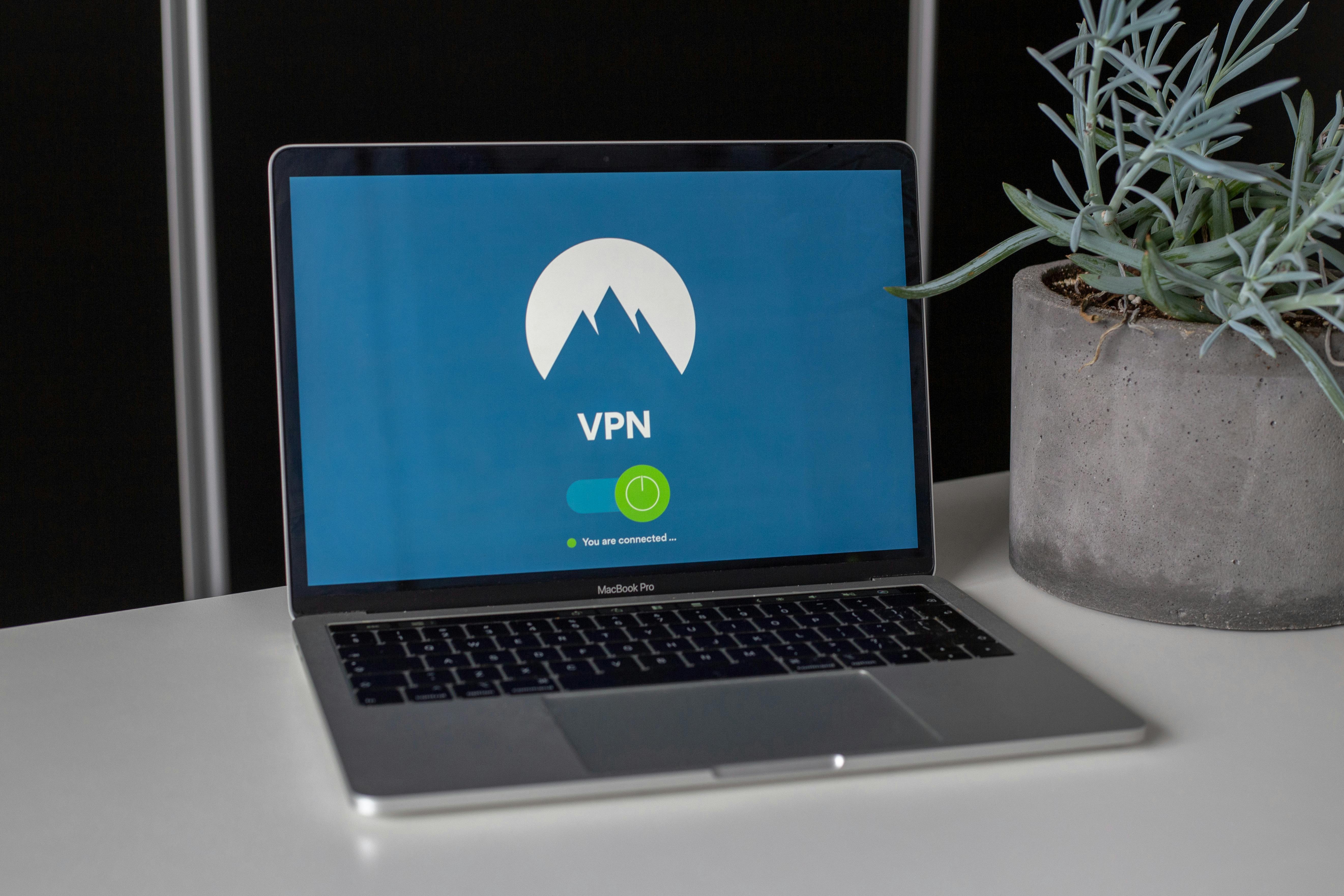
Working outside a traditional office often means relying on public Wi-Fi or home networks, which may not offer strong protection. Using advanced VPN solutions helps...
Apr 03, 2026

Many teams enjoy the flexibility of working remotely, yet they often face unique hurdles when technical issues arise. When a server goes down, people scramble from their...
Mar 20, 2026

Balancing client projects, meeting deadlines, and managing bills can make freelancing feel overwhelming at times. Simplifying invoicing and keeping tabs on expenses...
Feb 24, 2026

Managing a sales team that operates across different time zones brings unique challenges, such as juggling conflicting schedules and addressing diverse market...
May 18, 2026

Connecting with partners from around the world through virtual talks presents unique challenges, especially when you miss out on face-to-face cues like body language....
Mar 17, 2026

Coordinating suppliers from different continents tests a team’s ability to work together seamlessly. Offices that operate across multiple time zones benefit greatly from...
Apr 22, 2026

Handling expenses across international borders brings a unique set of challenges. You deal with multiple currencies, shifting time zones, and varying tax regulations....
Apr 25, 2026

Modern smart devices bring surprising improvements to any home workspace. By integrating these gadgets into your daily routine, you can boost concentration, support...
May 07, 2026

Carrying your work wherever you go opens up new possibilities and unique hurdles. Moving between home, bustling coffee shops, and shared spaces means constantly adapting...
Apr 11, 2026

New hires who join a company remotely benefit from a warm, well-organized introduction. A carefully prepared box filled with branded items creates a sense of belonging...
Apr 15, 2026

People gather in a virtual room and experience a genuine sense of togetherness, even from different locations. This feeling of presence encourages open communication and...
Mar 04, 2026