
7 Feature-Packed Project Management Apps for Seamless Distributed Workflows
Apr 07, 2026



Smart planning helps keep startup expenses in check when you operate without a dedicated office. Team members working from home or meeting in coffee shops can easily rack up extra costs if you don’t put clear guidelines in place. Careful budgeting ensures you can direct resources toward growth rather than unnecessary fees or paid features nobody uses. This article lays out five practical methods to lower overhead while still providing essential tools and maintaining team spirit. With the right approach, you can save money and avoid common pitfalls that often sneak up on remote teams.
Each tip matches remote setups—no cubicles, no daily commutes, just screens and fast connections. You’ll find practical steps, real figures, and names you recognize. Follow along to trim costs and direct money where it matters most.
Choose online platforms instead of local servers to save on hardware bills and maintenance fees. A study found that 68% of small teams reduce IT costs by adopting cloud apps. Swap pricey in-house solutions with subscription products that adapt to your team size.
Select a few main categories and compare options before making a decision. Tools that cover multiple needs often bundle at a lower price than separate apps.
Cloud tools receive regular updates and security patches, reducing IT overhead by about 30%. You avoid unexpected costs for upgrades or repairs.
Subscriptions can grow expensive if you lose track. Locking into annual plans may seem cheaper but can backfire if you outgrow features quickly. Switching to month-to-month plans keeps your options open.
Follow these steps to review your paid services every quarter:
These reviews eliminate unused seats and trial periods you forgot to cancel. Cutting just one $25 monthly plan saves $300 annually per user.
Different team members have varying home setups. Some buy high-end chairs, others use kitchen stools. Share costs evenly by offering a fixed stipend or a gear catalog.
You could allocate $200 per person and negotiate bulk orders for essential items. Deals on desks and monitors often provide discounts of 15–20%. Encourage staff to reuse what they already own—extra monitors, ergonomic mice, or surge protectors.
Large licenses for virtual resources can significantly lower per-user costs. Instead of individual plans for video conferencing, purchase a single enterprise package. This reduces per-host fees and includes options like recording and call transcription.
Ask vendors about usage caps and hidden fees before signing agreements. Some packages include AI summaries or noise reduction—features your team might not need. Downgrade or exchange extras to get credit toward core functions.
Manual expense reports slow reimbursements and can hide overspending. Use auto-import features from bank feeds into apps like Expensify or Zoho Expense. These tools flag unusual transactions and categorize expenses in real time.
Set spending rules that send alerts when someone exceeds their monthly limit. Generate reports to see where your cash goes: software, internet reimbursements, equipment. With this data, you can adjust your budget before costs spiral out of control.
Use these methods to control your cash flow and prioritize growth. Manage subscriptions, home expenses, and cloud services to maximize value from every dollar.

Teams working from different locations often struggle to keep communication smooth and projects on track. People swap between calendars, manage files, and send messages...
Jun 15, 2026

Managing payments for remote teams brings unique hurdles, including handling several currencies, unpredictable exchange rates, and differing fee requirements. These...
Jul 10, 2026

Strong security measures help protect confidential data and keep trust intact when teams work from different locations. Digital identity verification solutions play a...
May 09, 2026
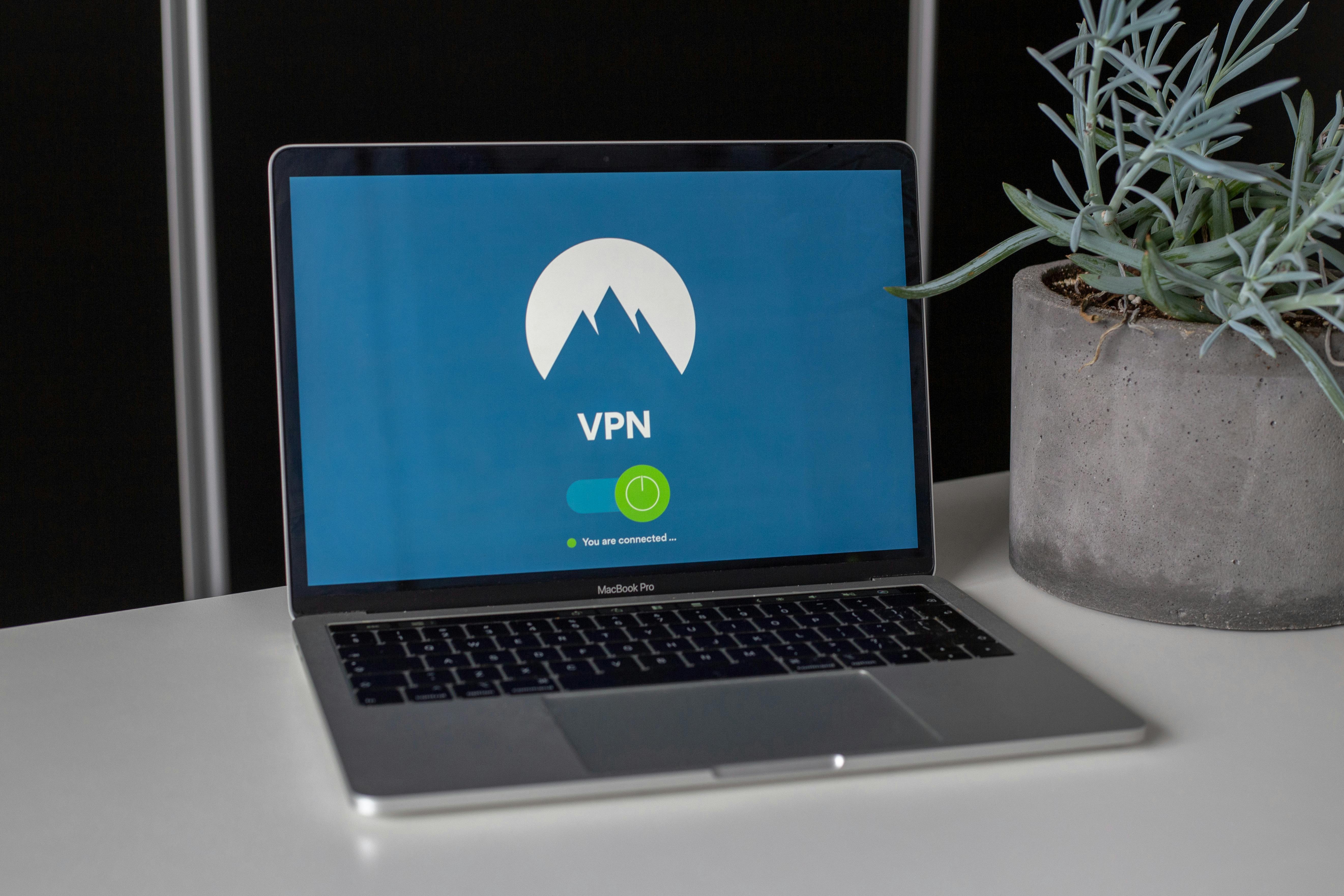
Working outside a traditional office often means relying on public Wi-Fi or home networks, which may not offer strong protection. Using advanced VPN solutions helps...
Apr 03, 2026

Handling finances across different countries often creates challenges, especially when payments and expenses occur in several currencies. Remote professionals often deal...
May 02, 2026

Coordinating suppliers from different continents tests a team’s ability to work together seamlessly. Offices that operate across multiple time zones benefit greatly from...
Apr 22, 2026

Building a secure financial future often resembles assembling a complex puzzle, particularly for those whose careers revolve around technology and digital tools....
Jul 21, 2026

Running a business without a central office brings unique challenges, especially when leadership changes or key responsibilities shift. Distributed teams often work from...
Jul 01, 2026

Modern smart devices bring surprising improvements to any home workspace. By integrating these gadgets into your daily routine, you can boost concentration, support...
May 07, 2026

Bringing together a team that works from different places calls for a thoughtful and adaptable leadership style. Effective leaders combine strong guidance with authentic...
Jun 28, 2026

Creators use decentralized crowdfunding to connect directly with supporters around the world, eliminating the need for banks or intermediaries. Peer-to-peer networks...
Jun 10, 2026

Building a sense of connection among team members, no matter where they work from, plays a vital role in creating a supportive workplace. A well-designed program begins...
May 22, 2026

Successful collaboration across different time zones relies on tools that maintain seamless and personal connections with clients. A remote-friendly customer management...
Jun 21, 2026

Managing a sales team that operates across different time zones brings unique challenges, such as juggling conflicting schedules and addressing diverse market...
May 18, 2026