
The Best Practices for Building Effective Virtual Customer Service Departments
Jul 05, 2026



Building a sense of connection among team members, no matter where they work from, plays a vital role in creating a supportive workplace. A well-designed program begins with setting clear goals and designing a structure that encourages everyone to participate. Carefully choosing activities and selecting a suitable platform helps bring remote colleagues together in meaningful ways. Regularly collecting feedback after each session ensures you can make thoughtful adjustments, allowing your program to grow and stay fresh. Each step, from planning to review, contributes to a positive team experience and keeps everyone interested and involved over time.
This guide walks you through every step: from choosing success measures to running interactive sessions and refining based on real data. You’ll discover practical tips that go beyond generic suggestions, tailored for teams that span time zones.
Knowing what you want to achieve guides every decision you make. Engagement can mean attending sessions regularly, actively participating, or improving scores in satisfaction surveys. Choose the metrics that match your program’s purpose.
For each goal, record a starting point so you can see progress over time. When you measure consistently, you notice patterns and understand what to change.
Participants stay engaged when they play an active role. Instead of long lectures, include hands-on tasks that encourage creativity and teamwork. Interactive sessions energize participants and build camaraderie.
Use short, varied formats to keep minds alert. Mix small group brainstorming, live quizzes, and creative showcases so people look forward to each meeting.
Select platforms that suit your activity style. If you want live whiteboarding, pick a tool with an easy-to-use canvas. For quick check-ins, make sure polls and reactions are just a click away.
Combine tools to handle different tasks. Make access simple so participants can switch smoothly. Use secure single sign-on and clear instructions to reduce friction.
Prepare everyone on basic features before launching. Record short tutorials and make sure they are easy to find. Confidence with the tools encourages participation.
People appreciate praise from colleagues as much as public awards. Create a system where peers can highlight wins, big or small. This generates positive energy and motivates others to join in.
Set regular moments for shout-outs. At the end of each activity, invite two or three participants to recognize a teammate’s effort. Keep comments brief and genuine.
Create a shared digital board or channel for ongoing kudos. Encourage the use of GIFs, emojis, or images to make praise fun. Visual cues reinforce an inclusive culture.
After each event, collect data on attendance, interactions, and satisfaction. Set aside time to review these numbers within 48 hours. Quick analysis helps you make adjustments before interest drops.
Hold a monthly review meeting with a small steering team. Compare your data to your goals and decide on changes: modify session length, try different tools, or add new activities.
Keep records of every change and its results. Over time, you will develop an internal guidebook filled with proven methods. This collection of insights saves time and informs future programs.
Implement clear goals, diverse activities, and regular feedback in employee programs. These steps create genuine engagement and lasting commitment.

Creating a solid online network starts with taking an honest look at where you stand. Write down every profile you maintain, whether it’s on business platforms or social...
Sep 12, 2026

Creators use decentralized crowdfunding to connect directly with supporters around the world, eliminating the need for banks or intermediaries. Peer-to-peer networks...
Jun 10, 2026

Running a business without a central office brings unique challenges, especially when leadership changes or key responsibilities shift. Distributed teams often work from...
Jul 01, 2026

Teams working from different locations often struggle to keep communication smooth and projects on track. People swap between calendars, manage files, and send messages...
Jun 15, 2026

Building a strong network that spans multiple locations requires clear guidelines, common traditions, and regular communication to ensure everyone stays connected and...
May 27, 2026

Building a secure financial future often resembles assembling a complex puzzle, particularly for those whose careers revolve around technology and digital tools....
Jul 21, 2026

Handling earnings from gigs, consulting, and side jobs often means keeping track of several moving parts at once. Getting a clear view of where your money comes from...
Aug 19, 2026

Signing important documents once required printing them out, searching for a pen, and scanning the completed pages before sending them off. Digital solutions now make...
Aug 30, 2026

Successful collaboration across different time zones relies on tools that maintain seamless and personal connections with clients. A remote-friendly customer management...
Jun 21, 2026
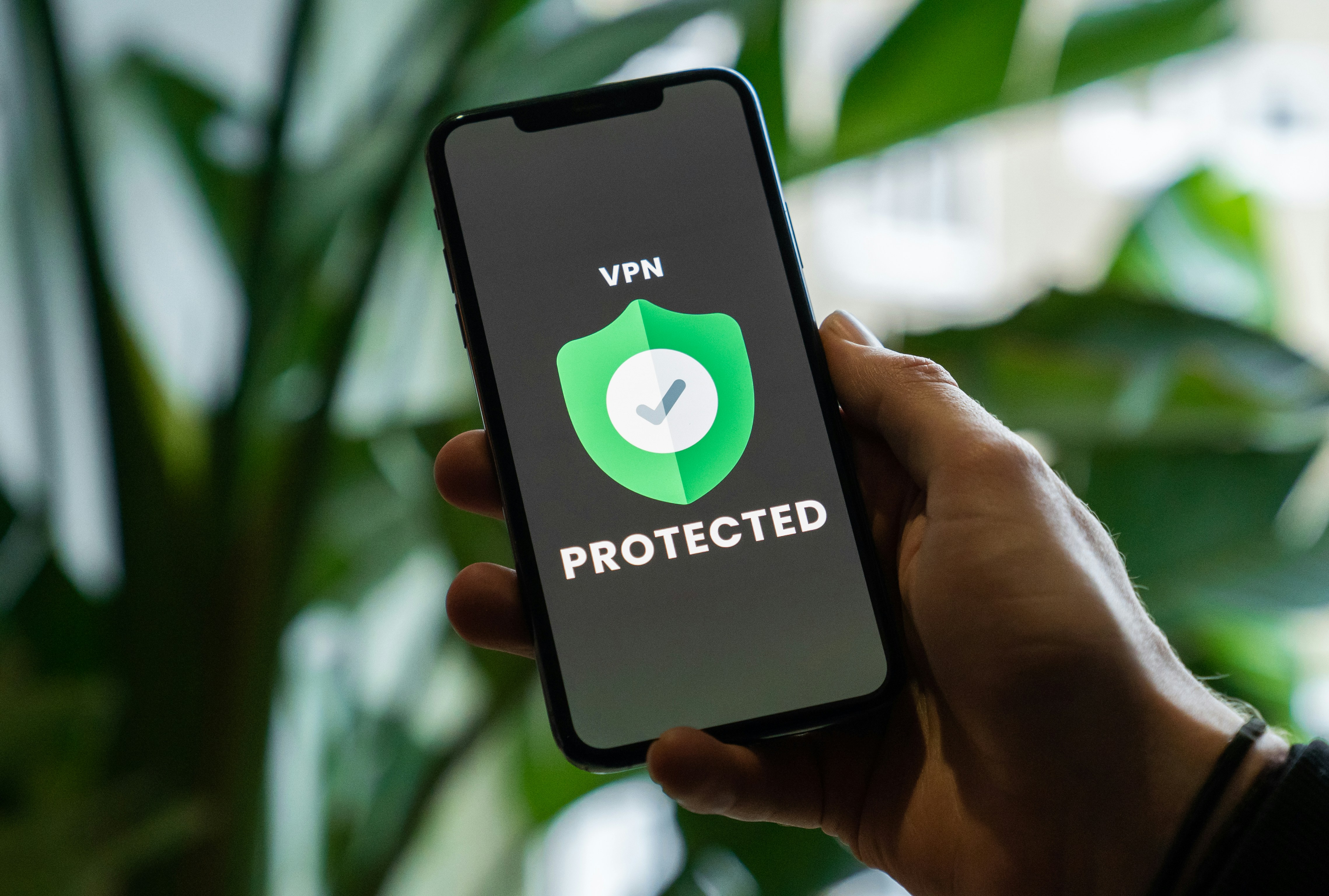
Reliable access to project files and essential company tools often happens outside the office. Using a virtual private network, or VPN, builds a secure connection...
Jul 24, 2026

Keeping track of work hours becomes much easier when you use the right tools. A good cloud-based solution lets you see exactly how time gets spent on each task, project,...
Aug 22, 2026

Building a network of online locations brings exciting possibilities, yet it often comes with complex hurdles. As your organization enters new regions, laying down a...
Aug 09, 2026

Managing payments for remote teams brings unique hurdles, including handling several currencies, unpredictable exchange rates, and differing fee requirements. These...
Jul 10, 2026

Teams work more efficiently and stay connected with cloud-based file sharing. Accessing documents from any location becomes effortless, and everyone can see updates as...
Aug 02, 2026