Best Digital Solutions for Effortless E-Signature Workflows
Aug 30, 2026



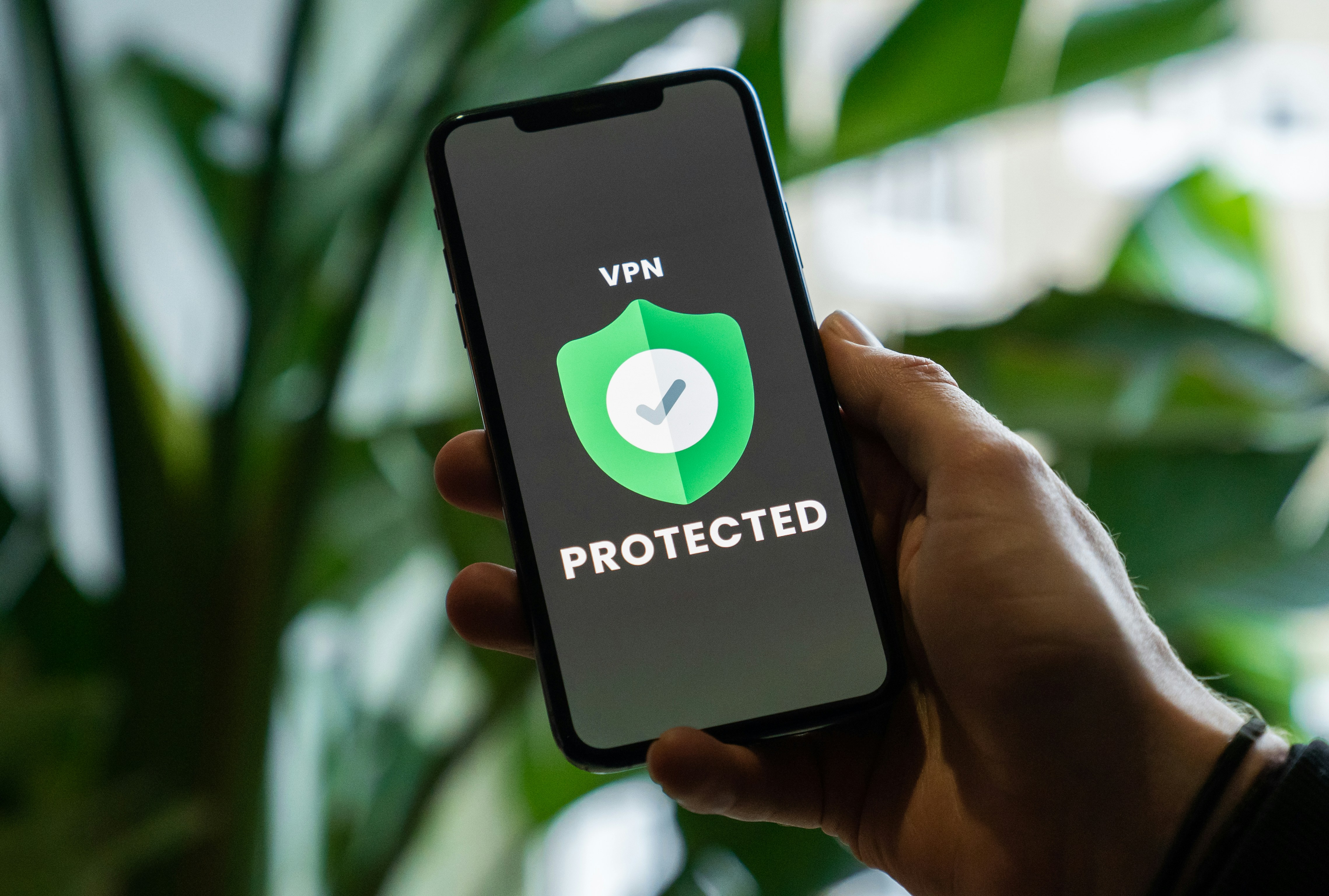
Teams often work together from locations around the world, making secure voice calls a necessity. Without strong protection, private conversations can fall into the wrong hands and confidential information may be at risk. Choosing a VoIP system that uses advanced security measures ensures that all voice traffic stays confidential, blocking unauthorized access and keeping conversations private. With the right tools in place, teams can speak freely, knowing their discussions and data remain protected at all times. Selecting a reliable and secure calling solution gives everyone peace of mind, no matter where they are connecting from.
This guide explains what makes a VoIP platform highly secure compared to a basic call app. You will also find clear criteria to compare against features and costs. By the end, you will know how to set up clear, encrypted calls without adding extra steps for your colleagues.
Secure VoIP means voice data travels through a channel that stays sealed from prying ears. Encryption transforms audio packets into scrambled code. Authentication gates verify that only approved devices join the call. This double protection makes voice traffic unreadable for outsiders.
Platforms that combine these methods prevent man-in-the-middle attacks and eavesdropping. You won’t need to patch holes manually. The system updates itself automatically to close any new vulnerabilities.
Comparing options against a specific list of needs speeds up your decision. Not all secure VoIP systems offer the same features. Some excel at detailed permissions, while others focus on audit trails and compliance.
Some services let administrators mark high-risk calls or enforce internal recording policies. Others optimize bandwidth to guarantee clear voice even on slower connections. You should compare these options against your budget.
Each of these trusted platforms keeps calls protected while providing features for remote teamwork. You will find notes on security tools, pricing tiers, and how they integrate with your workflow.
All these eight systems prioritize security while offering flexible pricing options. You can grow from a small team to hundreds of users without changing platforms.
Deploying secure VoIP involves more than just flipping a switch. You must configure features and train your teammates to follow safe practices. A smooth implementation results in fewer support tickets and stronger data security.
IT teams should review security settings monthly and run live drills to test backup voice carriers. Developing this routine helps prevent small mistakes from causing major leaks.
Embedding secure calls into daily routines reduces friction. Connect your VoIP platform with project management and file sharing apps to start voice chats directly within tasks. This method keeps all relevant information in one place.
Automatically generate meeting links in calendar invites. Share dedicated channels for quick team huddles. Automate workflows so support tickets trigger voice sessions when urgent bugs emerge. By linking calls with existing tools, everyone stays aligned without switching apps.
Compare security features, test free trials, and follow a structured plan to deploy a secure VoIP system. This approach ensures smooth, protected communication that supports your team’s progress.

Smart gadgets bring convenience to daily routines by handling repetitive chores and helping set up a workspace that feels just right. Devices like a smart speaker can...
Aug 26, 2026

Selecting an appropriate legal framework plays a crucial role in building strong and effective long-distance collaborations. When you set up a business entity, you...
Sep 16, 2026

Teams working from different locations often struggle to keep communication smooth and projects on track. People swap between calendars, manage files, and send messages...
Jun 15, 2026

Managing international payments often brings challenges, especially when you need to coordinate different currencies and timelines. Whether you are transferring funds to...
Jun 06, 2026

Successful collaboration across different time zones relies on tools that maintain seamless and personal connections with clients. A remote-friendly customer management...
Jun 21, 2026

Building a secure home network requires careful planning and ongoing attention. Connecting a modem and router is only the first step; maintaining a safe environment...
Jun 24, 2026

Securing financial support from afar often seems overwhelming, especially as deadlines approach and paperwork grows. A well-designed platform can simplify the process,...
Sep 24, 2026

Many teams face challenges when they move leadership training to an online setting, especially as their group expands. Adapting to remote learning calls for practical...
Sep 04, 2026

Keeping track of work hours becomes much easier when you use the right tools. A good cloud-based solution lets you see exactly how time gets spent on each task, project,...
Aug 22, 2026

Managing payments for remote teams brings unique hurdles, including handling several currencies, unpredictable exchange rates, and differing fee requirements. These...
Jul 10, 2026

Successful remote customer support depends on setting clear goals and following practical methods. Teams rely on dependable tools, organized workflows, and strong...
Jul 05, 2026

Building a secure financial future often resembles assembling a complex puzzle, particularly for those whose careers revolve around technology and digital tools....
Jul 21, 2026

Building a network of online locations brings exciting possibilities, yet it often comes with complex hurdles. As your organization enters new regions, laying down a...
Aug 09, 2026

Moving away from frequent meetings opens up more time in your daily routine, giving you the chance to concentrate on meaningful tasks without disruptions. With clear...
Aug 05, 2026